Mixed Media Techniques for Modern Visual Artists
Art is an ever-evolving field, and mixed media techniques have become a powerful way for modern visual artists to express their creativity. By combining various materials and methods, artists can create unique pieces that challenge traditional boundaries. This blog post will explore different mixed media techniques, provide practical examples, and inspire you to experiment with your own artistic practice.

Understanding Mixed Media Art
Mixed media art refers to the use of multiple artistic mediums in a single artwork. This can include combinations of:
Painting: Acrylics, oils, watercolors
Drawing: Charcoal, ink, pastels
Collage: Paper, fabric, found objects
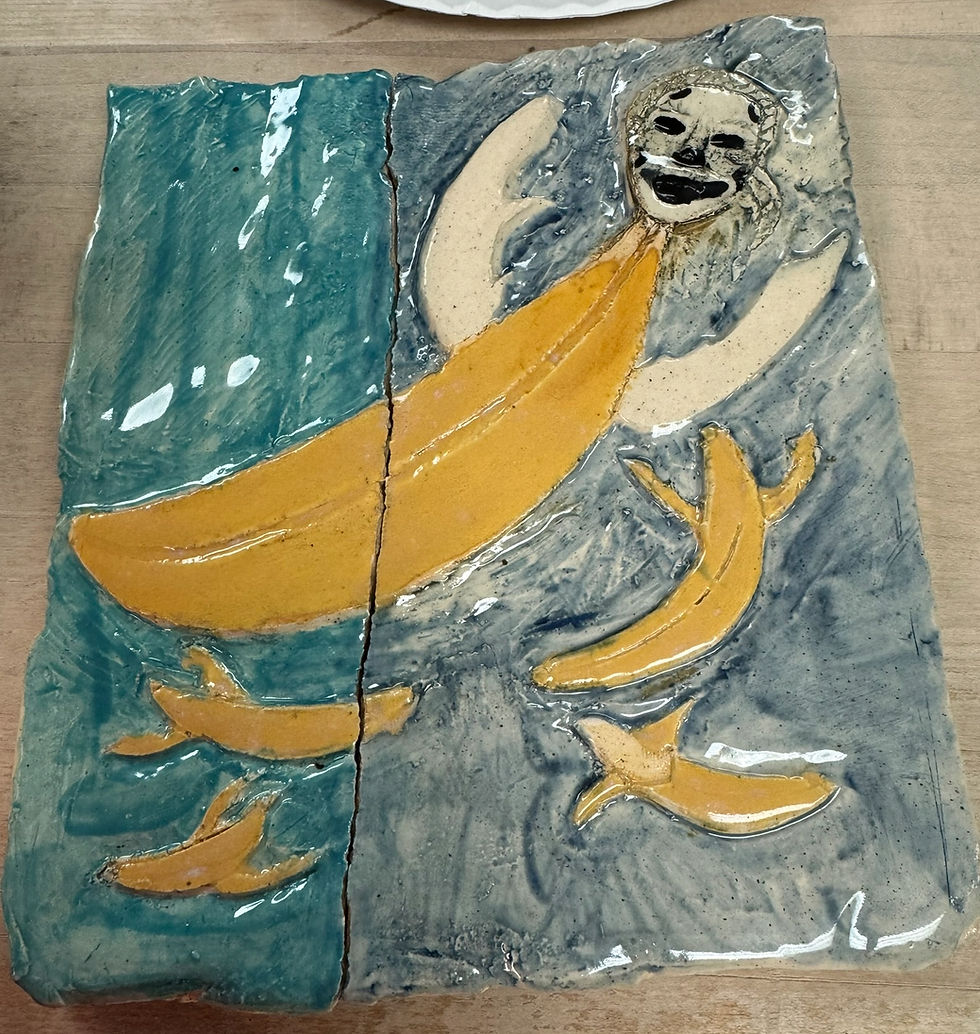
Sculpture: Clay, metal, wood
The beauty of mixed media lies in its versatility. Artists can layer different materials to create depth, texture, and visual interest. This approach allows for greater freedom of expression and can lead to unexpected results.
The Benefits of Mixed Media Techniques
Engaging with mixed media techniques offers several advantages for artists:
Creative Freedom: Artists can explore various materials and methods, breaking free from traditional constraints.
Enhanced Textures: Combining different mediums can create rich textures that draw viewers in.
Unique Aesthetic: Mixed media pieces often stand out due to their complexity and originality.
Problem-Solving: Artists learn to adapt and innovate, finding solutions to challenges that arise during the creative process.
Popular Mixed Media Techniques
1. Collage
Collage is one of the most accessible mixed media techniques. It involves assembling various materials, such as paper, fabric, and photographs, to create a cohesive artwork.
Example: An artist might use magazine clippings, textured paper, and paint to create a vibrant collage that tells a story or conveys a theme.
Tips for Collage:
Start with a strong base, such as canvas or thick paper.
Experiment with layering materials to create depth.
Use adhesives like Mod Podge for a smooth finish.
2. Layering
Layering involves applying multiple layers of different materials to build complexity in an artwork. This technique can be used in painting, drawing, or even collage.
Example: An artist might paint a background, then add a layer of transparent paper with printed text, followed by a layer of acrylic paint to create a dynamic composition.
Tips for Layering:
Allow each layer to dry before adding the next.
Use transparent materials to let underlying layers show through.
Experiment with different mediums to see how they interact.
3. Texture Creation
Creating texture is essential in mixed media art. Artists can use various tools and materials to add tactile elements to their work.
Example: An artist might use modeling paste to create raised areas on a canvas, then paint over it for a dramatic effect.
Tips for Creating Texture:
Use tools like palette knives, sponges, or brushes to manipulate materials.
Combine rough and smooth textures for contrast.
Incorporate natural materials, such as sand or leaves, for added interest.
4. Incorporating Found Objects
Using found objects is a hallmark of mixed media art. These items can add personal meaning and unique elements to a piece.
Example: An artist might incorporate old keys, buttons, or fabric scraps into a painting, creating a narrative that resonates with viewers.
Tips for Using Found Objects:
Choose objects that have personal significance or tell a story.
Secure objects with strong adhesives or by embedding them in a medium like resin.
Consider the visual balance of your composition when adding objects.
5. Digital Mixed Media
In the digital age, artists can also explore mixed media techniques through digital platforms. This can involve combining traditional art with digital elements.
Example: An artist might scan a hand-painted piece and then manipulate it digitally, adding layers of graphics or text.
Tips for Digital Mixed Media:
Use software like Adobe Photoshop or Procreate for editing and layering.
Experiment with blending modes to see how different layers interact.
Print your digital work on various materials for a mixed media effect.
Finding Your Style
As you explore mixed media techniques, it’s essential to find your unique artistic voice. Here are some strategies to help you develop your style:
Experiment: Try different materials and techniques without the pressure of creating a finished piece.
Reflect: Take time to analyze what resonates with you in your work. What themes or materials do you find yourself drawn to?
Seek Inspiration: Look at the work of other mixed media artists for ideas, but remember to put your spin on it.
Conclusion
Mixed media techniques offer modern visual artists a rich playground for creativity. By combining various materials and methods, you can create unique artworks that reflect your personal style and vision. Whether you’re layering paint, incorporating found objects, or experimenting with digital elements, the possibilities are endless.
Now it’s time to grab your materials and start creating. Remember, the journey of exploration is just as important as the final piece. Embrace the process, and let your creativity flow!


Comments